
Affiliate Disclosure: As an Amazon Associate we earn from qualifying purchases. Product recommendations are based on independent research and user feedback.
Data Drives Success
Research shows people who track their progress lose 3x more weight than those who don't. Monitoring provides accountability, reveals patterns, and celebrates victories beyond the scale.
Pattern Recognition
Track side effects, food intake, and weight to identify what works best for YOUR body. Spot trends and adjust strategies accordingly.
Accountability
Writing down goals and progress creates commitment. Daily check-ins keep you focused even when motivation wavers during difficult weeks.
Non-Scale Victories
Document energy improvements, clothing changes, and health markers. Weight alone doesn't tell the full story of your transformation.
All Tracking Tools
5 essential tools to monitor and celebrate your progress
Tracking Tools
11 Products

Clever Fox Weight Loss Journal
Progress tracking
Dedicated weight loss journal for tracking meals, exercise, and medication effects
View on Amazon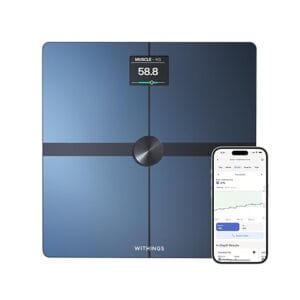
Withings Body+ Smart Scale
WiFi connected
Smart WiFi scale with body composition analysis - track weight loss progress digitally
View on Amazon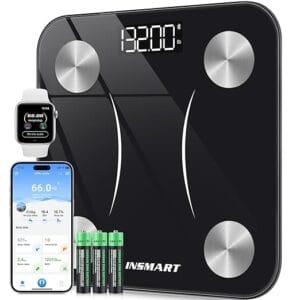
Bluetooth Smart Scale
13 measurements
Bluetooth bathroom scale with 13 body composition measurements for detailed tracking
View on Amazon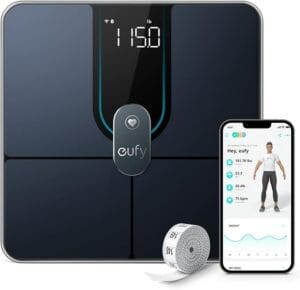
Eufy Smart Scale P1
14 measurements
Smart scale with 14 health measurements and app sync for comprehensive tracking
View on Amazon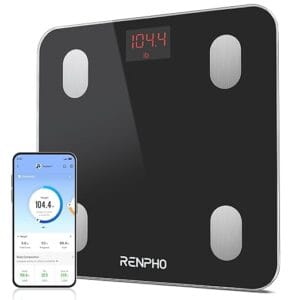
RENPHO Body Fat Scale
Body composition
Bluetooth body fat scale with app for tracking weight loss and body changes
View on Amazon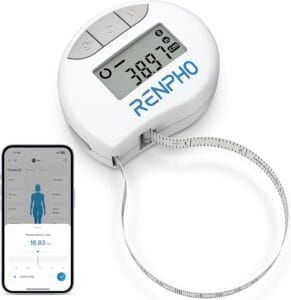
Digital Body Measuring Tape
LCD display
Digital measuring tape with LCD display for easy body measurement tracking
View on Amazon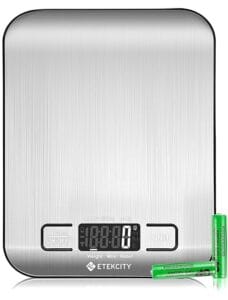
Etekcity Digital Kitchen Scale
Food weighing
Precise digital kitchen scale for accurate portion control and meal prep
View on Amazon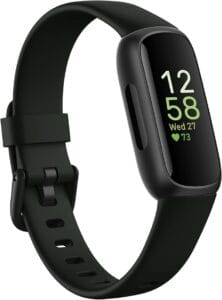
Fitbit Inspire 3 Fitness Tracker
Activity tracking
Fitness tracker with heart rate monitoring and activity tracking for weight loss journey
View on Amazon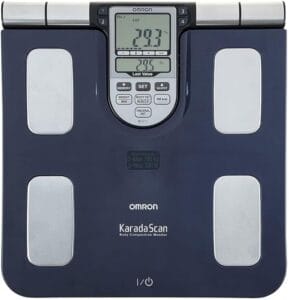
Omron Body Composition Monitor
Clinical accuracy
Clinically validated body composition monitor for precise health tracking
View on Amazon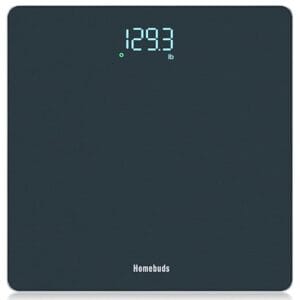
Digital Bathroom Scale
High precision
High precision digital bathroom scale with large display for daily weight tracking
View on Amazon
Progress Tracking Journal
Workout log
Ultimate workout and fitness journal for tracking exercise and weight loss progress
View on Amazon💡 Community Tip: Weigh yourself same day/time weekly (e.g., Friday mornings) rather than daily. Daily fluctuations can be discouraging - weekly trends show real progress.
Expert Tracking Strategies
Practical advice from UK weight management specialists
Choose one day/time weekly (e.g., Friday 7am). Daily weighing creates stress from normal fluctuations. Weekly trends show real progress.
Track waist, hips, chest, thighs monthly. You may lose inches while weight plateaus due to body composition changes and muscle maintenance.
Take monthly photos in the same outfit, lighting, and pose. Visual changes often appear before the scale moves significantly.
Record energy levels, sleep quality, clothing fit, health markers (blood pressure, HbA1c). These victories matter as much as numbers.
Note nausea, appetite, bowel movements, and energy. Patterns help you and your GP optimize dose timing and side effect management.
Set mini-goals every 5-10lbs or 2-3 dress sizes. Reward yourself with non-food treats (massage, new outfit, experience).
What Users Are Saying
Real experiences from the UK Mounjaro community
My weight loss journal kept me sane during plateaus. Looking back at the first month reminded me how far I'd come. Lost 3 stone in 6 months by staying accountable to my weekly check-ins.
Smart scales that track body fat percentage showed I was losing fat while maintaining muscle. Weight only dropped 10lbs but I lost 15cm off my waist. Measurements tell the real story.
Progress photos saved my motivation. The scale was stuck for 3 weeks but photos showed my face and waist changing dramatically. Numbers don't tell the whole story.
💬 Testimonials are anecdotal user experiences, not medical claims or guaranteed outcomes.
Your Tracking Questions Answered
Common questions about monitoring progress on Mounjaro
+ How often should I weigh myself on Mounjaro?
Most weight loss specialists recommend weekly weigh-ins rather than daily. Choose the same day and time each week (e.g., Friday 7am, after using the toilet, before eating). Daily weighing causes unnecessary stress because weight fluctuates 1-3lbs daily due to water retention, food volume, hormones, and bowel movements. These fluctuations don't reflect actual fat loss. Weekly tracking shows real trends while protecting your mental health. If you're obsessive or have a history of eating disorders, consider monthly weigh-ins instead and focus more on measurements and how clothes fit. Remember: the scale is one metric among many, not the only measure of success.
+ What measurements should I track besides weight?
Comprehensive tracking includes: (1) Body measurements: waist (narrowest point), hips (widest point), chest, upper arms, thighs - measure monthly in the same spots. (2) Photos: front, side, back views in fitted clothing or swimwear, monthly. (3) Clothing fit: note when you drop dress/trouser sizes. (4) Energy levels: rate 1-10 daily or weekly. (5) Sleep quality: hours and restfulness. (6) Health markers: blood pressure, resting heart rate, HbA1c if diabetic. (7) Fitness: how many stairs before breathlessness, walking distance, strength. (8) Non-scale victories: pain reduction, medication changes, mental clarity. Weight is just one piece of your transformation puzzle.
+ Are smart scales worth it for tracking body composition?
Smart scales can be useful but aren't perfectly accurate. They use bioelectrical impedance which is affected by hydration, food intake, and other factors - readings can vary by 3-5% daily. However, they're good for tracking TRENDS over time. If your body fat percentage gradually decreases even when weight plateaus, you're likely losing fat and maintaining muscle. This is valuable information. Don't obsess over exact numbers (they're estimates), but watch the trend direction. More affordable options (£30-50) work fine - expensive models aren't significantly more accurate. For most people, a basic reliable scale plus monthly tape measurements provides sufficient data without breaking the bank. Professional body composition scans (DEXA) are accurate but costly and unnecessary for most.
+ How do I track progress during weight loss plateaus?
Plateaus are normal - your body needs time to adjust. During stalls, focus on non-scale data: (1) Take measurements - you may be losing inches while weight stays steady. (2) Check progress photos from 4-6 weeks ago for visual changes. (3) Note clothing fit - jeans getting looser? (4) Track energy and fitness improvements - can you walk further, climb stairs easier? (5) Review health markers - blood pressure, blood sugar improvements. (6) Document non-scale victories - better sleep, reduced joint pain, improved mood. (7) Journal your habits - are you still following the plan? Plateaus don't mean failure. Your body is recomposing, losing fat while maintaining/building muscle. If truly stuck for 4+ weeks with no changes in ANY metric, consult your prescriber about dose adjustment.
+ What should I write in a weight loss journal?
Effective journaling includes: (1) Weekly stats: weight, measurements, photos. (2) Daily or weekly: food intake (general overview, not obsessive calorie counting unless needed), protein target achievement, water intake, exercise/activity. (3) Side effects: nausea severity, energy levels, bowel movements, sleep quality. (4) Wins: non-scale victories like compliments received, clothing milestones, energy improvements, health marker changes. (5) Challenges: difficulties faced and how you overcame them. (6) Gratitude: what you're thankful for in your journey. (7) Goals: weekly intentions and reflections. Keep it simple - 5 minutes daily or 15 minutes weekly is enough. The act of writing increases awareness and accountability. Review monthly to spot patterns and celebrate how far you've come during tough weeks.
+ Can tracking become unhealthy or obsessive?
Yes, tracking can become problematic. Warning signs: weighing multiple times daily with mood swings based on numbers, obsessive calorie counting interfering with social life, anxiety about missing a tracking day, restricting food beyond healthy limits to "make the numbers work," body dysmorphia or disordered eating patterns emerging. If you notice these signs, reduce tracking frequency - monthly instead of weekly, focus only on non-scale metrics, or work with a therapist experienced in eating disorders. For people with history of eating disorders, tracking may not be appropriate at all - discuss alternatives with your healthcare team. Healthy tracking is informative and motivating, not anxiety-inducing or controlling. It should empower you, not stress you. Trust your body and your journey, not just the numbers.
You Might Also Need
Other popular categories for Mounjaro users
⚠️ Important: Tracking tools support your journey but shouldn't cause stress or obsession. If you notice signs of disordered eating, body dysmorphia, or excessive anxiety about numbers, reduce tracking frequency and consult a mental health professional. Weight loss should improve your life, not consume it. Your worth isn't determined by scale numbers - celebrate all victories, not just weight changes.